
Helium Trans-filling
plant installation across the GCC
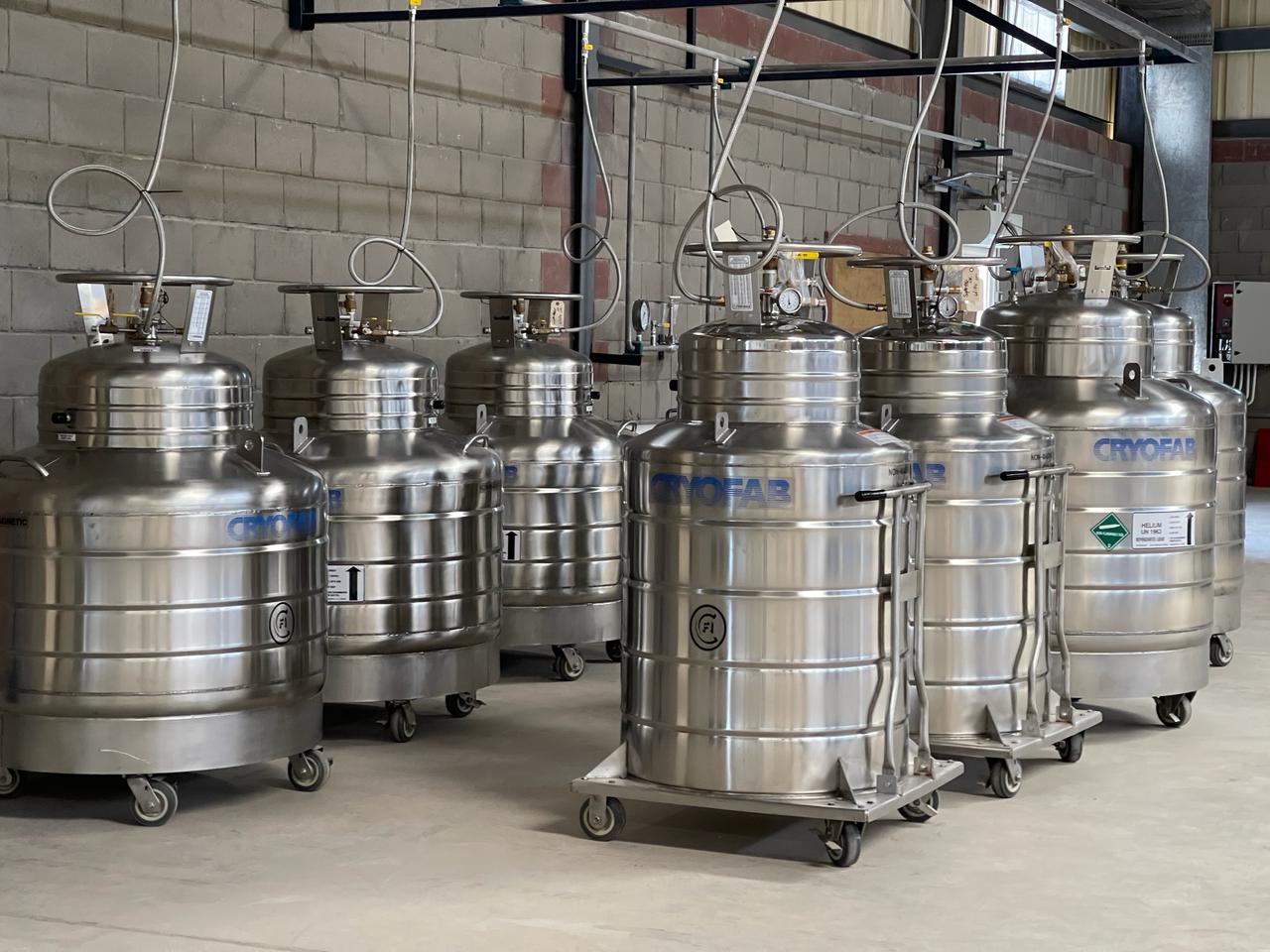
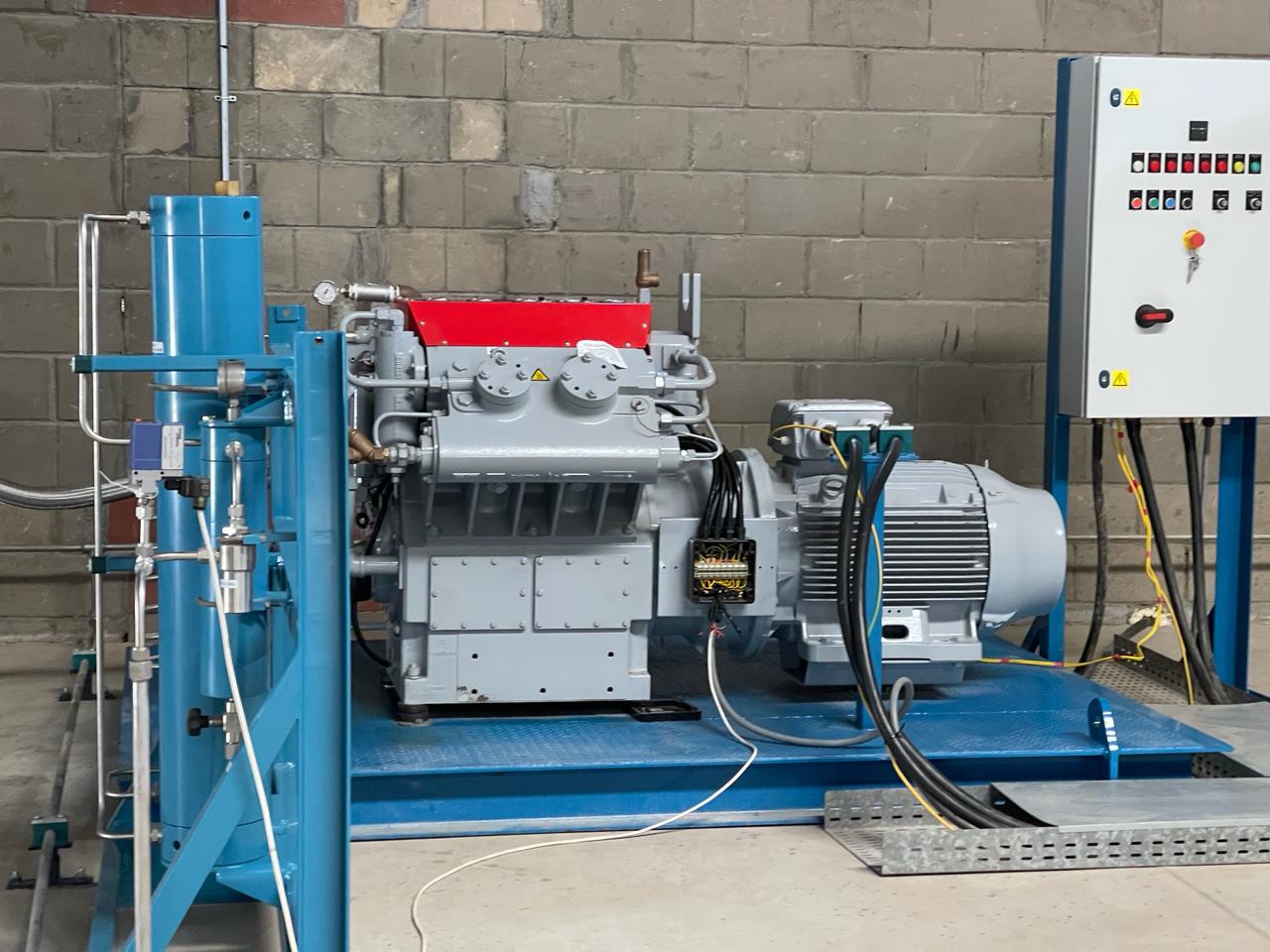
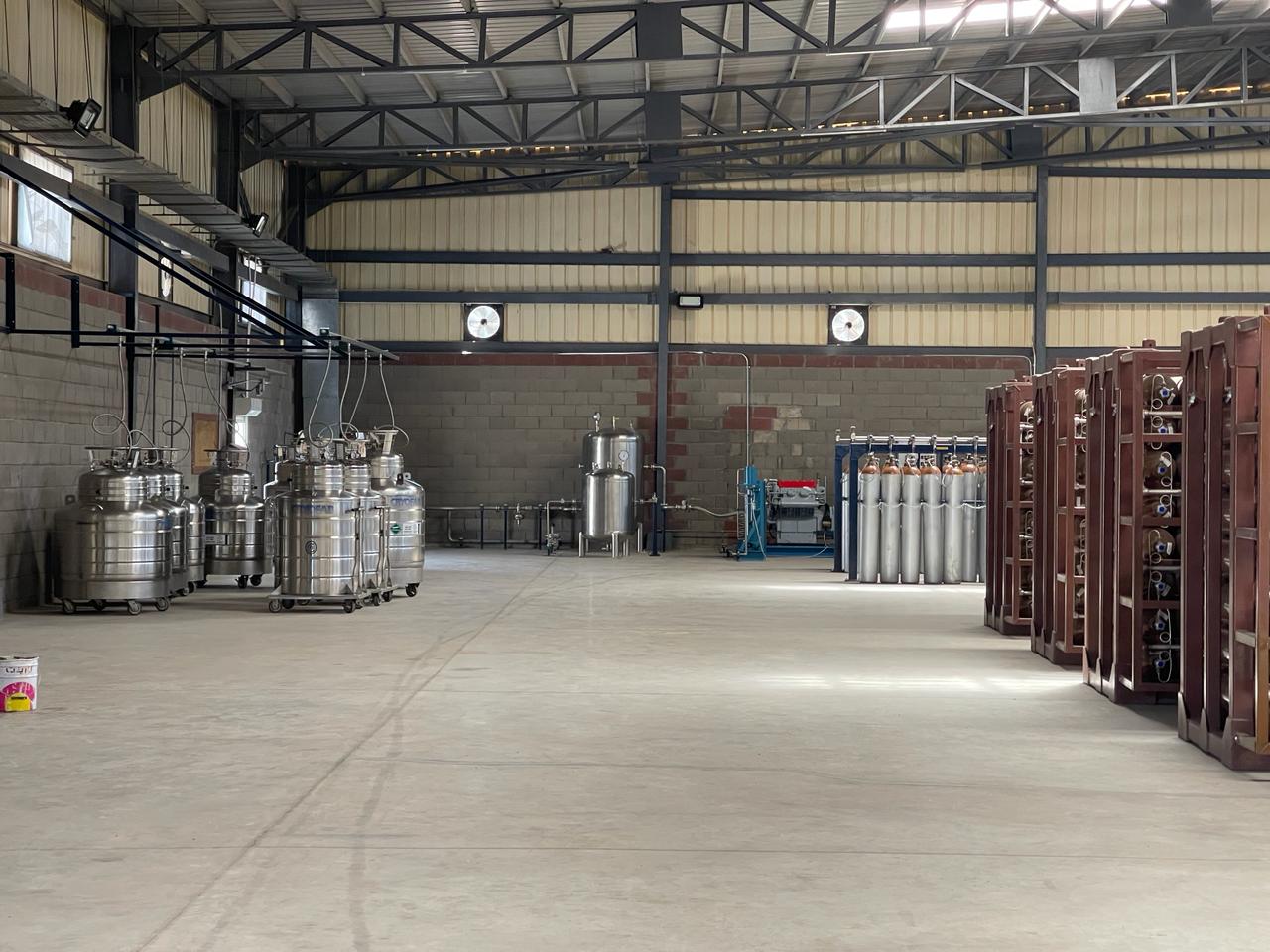
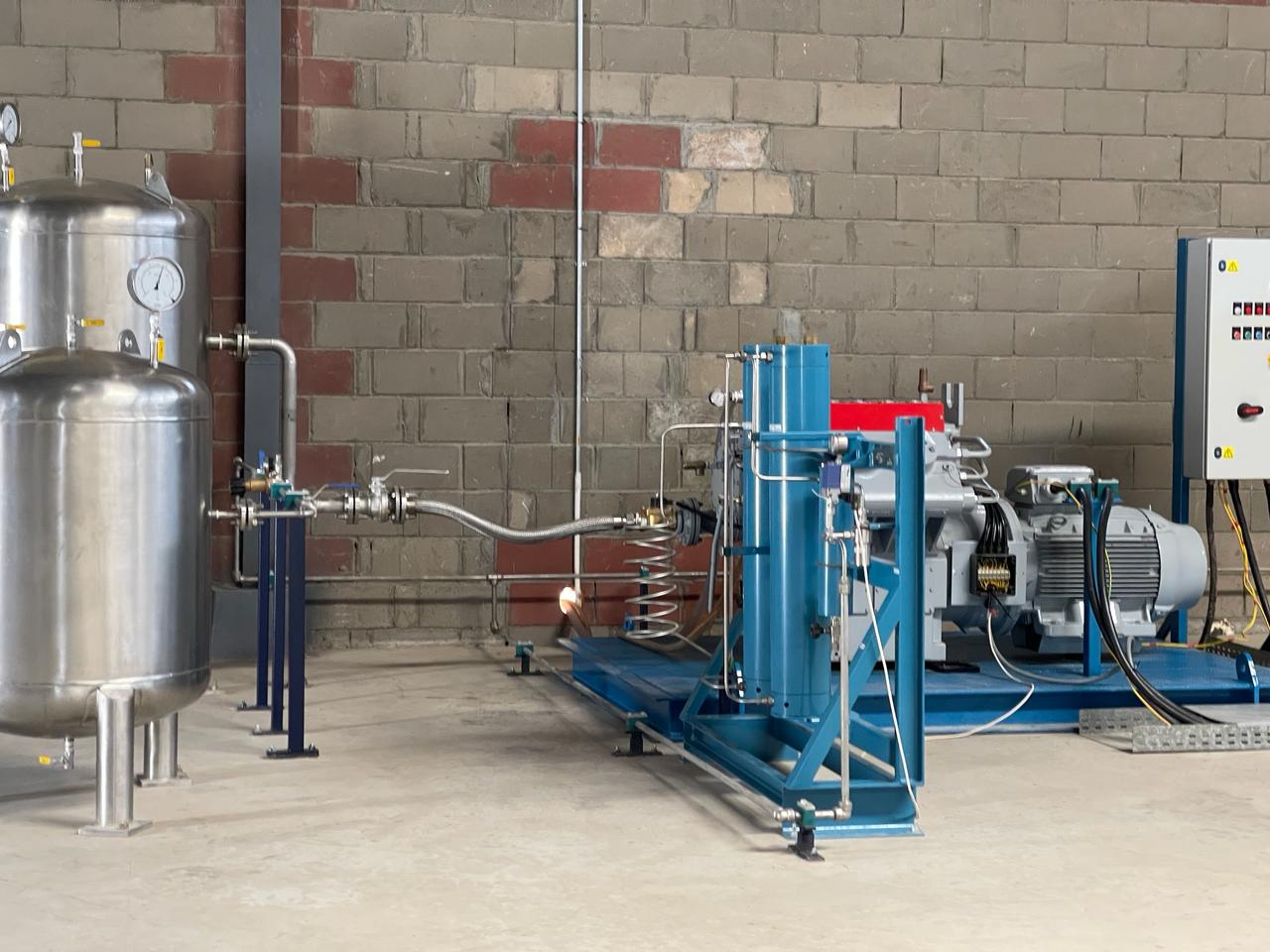
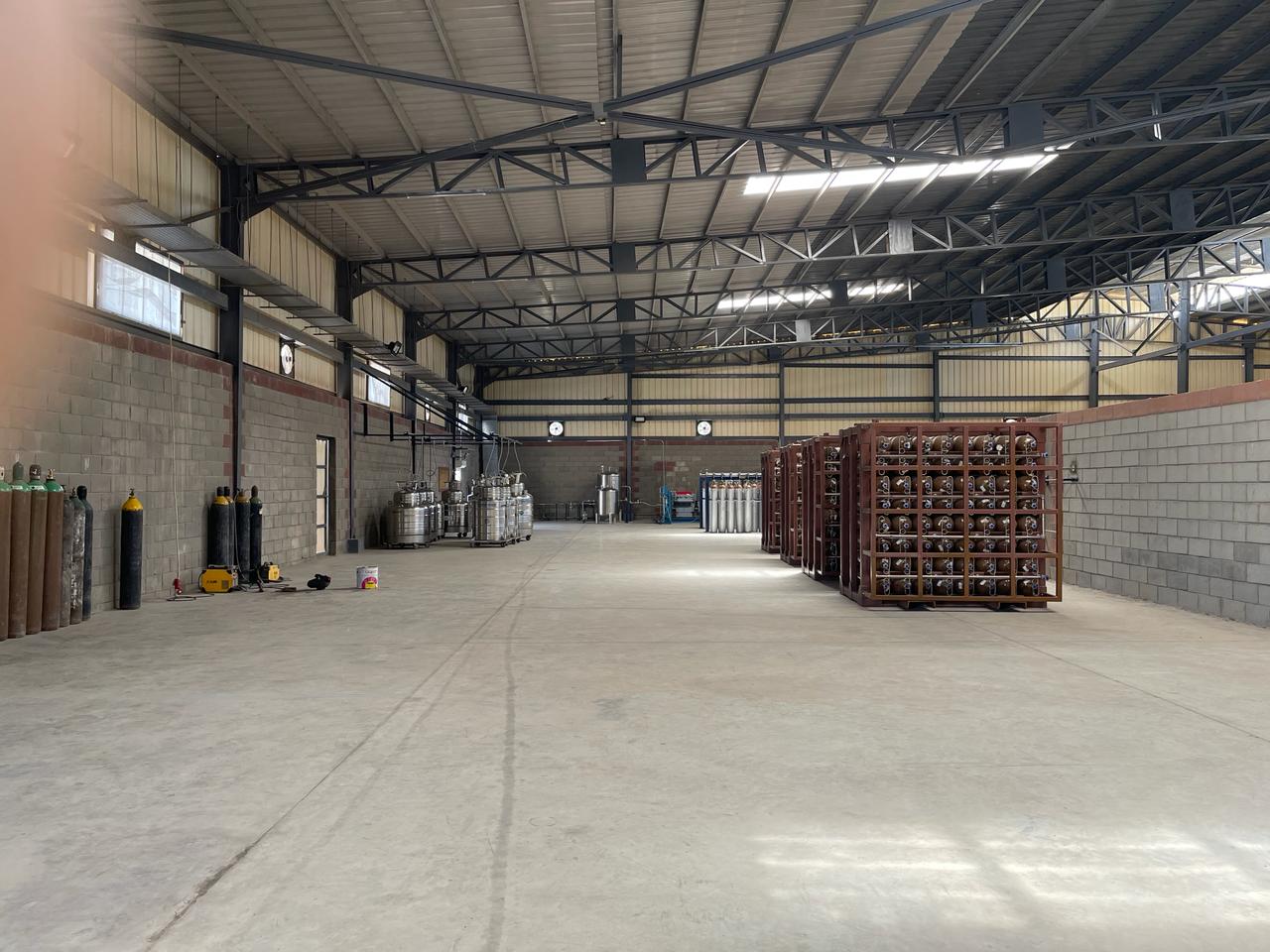
As global helium demand grows and supply chains tighten, relying entirely on external cylinder deliveries is no longer the most practical strategy. Onsite helium transfilling puts you in control of your own supply. Al Muftah International delivers complete turnkey helium transfilling plant installations from initial design through equipment procurement, mechanical installation, commissioning, and staff training as a single-source project, with one technical team accountable for every phase.
Request a Quote View Product Page


What is Helium Transfilling and Why Onsite Control Changes the Economics
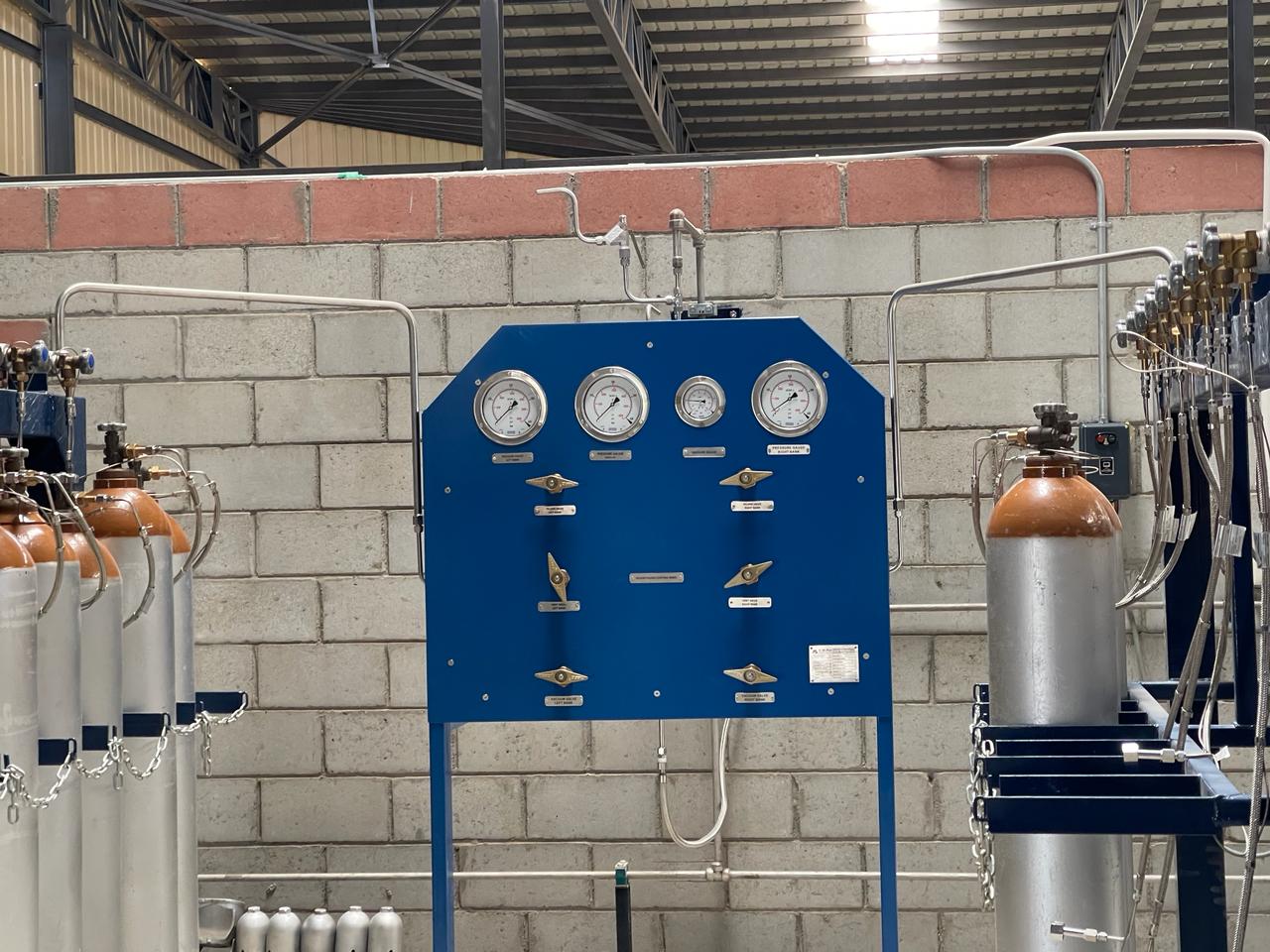
Helium transfilling is also called helium cylinder filling, helium decanting, or transfill operations. It is the process of transferring helium from bulk storage into individual high-pressure cylinders for distribution and end use. Doing this onsite eliminates the cost, lead time, and supply dependency of sourcing pre-filled cylinders through a third-party distributor.
For organisations with consistent helium consumption like MRI suite operators, semiconductor fabrication facilities, research institutions, balloon gas distributors, welding operations, and industrial calibration laboratories, the case for onsite transfilling is fundamentally economic. Bulk helium costs materially less per litre than cylinder helium. Al Muftah works this out as part of the preliminary site assessment, before any commitment is made.
Al Muftah International has been operating in industrial gas infrastructure across the GCC since 2001. Our helium transfilling installations cover both gaseous helium transfilling for compressor-based systems filling cylinders from tube trailer supply and liquid helium transfilling.
Gaseous and Liquid Helium Both Covered
High-pressure compressor-based gaseous transfilling and ultra-low temperature liquid helium transfilling both delivered as turnkey installations.
Boil-Off Minimisation by Design
Thermodynamic calculations and vacuum-jacketed piping specified to minimise liquid helium evaporation losses during transfer — protecting the most expensive component of the operation.
Small-Scale to Industrial Hub
From a small filling station handling 10 cylinders per day to a large-scale helium transfilling hub serving regional distribution. AMI scales the installation to the operation’s requirements.
Preventative Maintenance Contracts
Post-commissioning PM contracts available — scheduled inspections, calibration, leak testing, and component replacement to protect uptime and maintain ASME/ISO compliance over the plant’s operating life.
Who Al Muftah Builds Helium Transfilling Plants For
Helium Transfilling Plants for Medical and Research Operations - Protecting MRI Uptime and Cryogenic Research Continuity
A hospital facilities manager responsible for MRI helium supply faces a constraint that standard cylinder procurement simply cannot meet: MRI systems require liquid helium delivered at ultra-low temperature, without temperature excursion, through validated transfer pathways that introduce no contaminants or excess boil-off into the magnet. A delayed delivery isn’t just an inconvenience — it is a potential magnet quench event that takes the scanner offline and costs far more than the gas itself.
An onsite liquid helium transfilling installation with vacuum-jacketed transfer lines and temperature-controlled storage removes that logistics dependency entirely. Al Muftah designs every installation around the facility’s actual consumption profile, not a standardised catalogue product.
What makes a medical and research buyer choose Al Muftah
- Liquid helium transfer design - thermodynamic calculations to prevent magnet quench from transfer-induced temperature excursion
- Purity protection by design - gas-tight system with purge protocol prevents moisture and oxygen contamination of high-purity helium
- VJ piping correctly sized - boil-off held below client threshold throughout transfer, not managed reactively
- MRI supply autonomy - onsite liquid helium storage removes dependency on distributor delivery windows
- ASME/ISO compliance documented - commissioning report and ongoing PM records ready for hospital or university safety audit
Industrial Helium Transfilling Systems - Converting Bulk Supply Advantage Into Per-Cylinder Cost Reduction
A semiconductor fabrication facility consuming hundreds of helium cylinders per month is paying a significant premium over bulk helium pricing. Al Muftah calculates the exact payback period as part of the preliminary site assessment, before any purchase decision is made.
Contamination introduced during cylinder filling defeats the entire purpose of helium shielding. AMI’s system design includes purge protocols and outlet purity verification at commissioning — ensuring every cylinder leaving the plant meets the same purity specification as the bulk supply going in.
Al Muftah designs every system with the compressor staging, cooling, and moisture separation required to meet specifications in GCC ambient conditions, where 45°C operating temperatures require specific adjustments.
What makes an industrial buyer choose Al Muftah
- Payback period calculated upfront - bulk vs cylinder cost differential calculated before capital decision is made
- Purity retention by design - purge protocols and outlet purity verification at commissioning, not as an afterthought
- High-pressure capability - compressor staging designed for 300 bar+ filling in GCC ambient temperature conditions
- Quality management included - batch records, cylinder traceability, and certificate of analysis framework for calibration gas operations
Helium Transfilling Plants for Gas Distributors - Building the Infrastructure That Turns Bulk Supply into Regional Market Control
A gas distributor sourcing pre-filled helium cylinders from a third-party filler is paying the filler’s margin on every cylinder and accepting their delivery schedule and allocation policy as the binding constraint on their own sales capacity. An onsite transfilling plant removes both.
Al Muftah designs and builds the transfilling station that makes this transition, scaled to the distributor’s current volume and planned growth. AMI designs balloon gas filling stations with the throughput rate, cylinder handling workflow, and operator safety training suited to high-turnover retail gas operations.
Bulk helium availability in the Middle East has fluctuated with global production events, and a distributor holding its own bulk storage inventory is far better positioned to manage supply gaps than one dependent on just-in-time deliveries. Al Muftah designs the cryogenic storage component of every transfilling plant to the distributor’s strategic inventory requirements — balancing capital cost against the number of supply security days the operation needs.
What makes a gas distributor choose Al Muftah
- Bulk-to-cylinder margin capture - per-cylinder economics calculated and presented before capital commitment
- Scale-appropriate design - balloon gas stations to industrial hub configurations, sized to actual throughput
- Multi-product manifold systems - filling manifolds designed for the specific cylinder mix and daily throughput of the distributor’s operation
- Strategic storage sizing - bulk helium storage designed to the distributor’s supply security inventory requirements
Why Every Helium Transfilling Plant Client Needs a Single-Source Turnkey Contractor
Component Synchronisation
More than a list of compatible components. Every filling station AMI designs is built from a single design baseline — compression, cooling, manifold systems, and VJ piping specified together rather than assembled from catalogue parts independently sourced.
End-to-End Accountability
AMI takes end-to-end accountability for the complete installation — design, procurement, installation, commissioning, and staff training under one contract. No multi-vendor coordination problem, no accountability gaps between suppliers.
ASME & ISO Compliance
All pressure vessels, piping, and equipment designed to applicable ASME and ISO standards from the first drawing. Third-party inspection at all required hold points with complete compliance documentation delivered at commissioning.
Regulatory Inspection Management
AMI manages all required regulatory inspections during installation — ASME hold point inspections, NDE, pressure testing, and final commissioning sign-off all coordinated by our project team, not delegated to the client.
Staff Training at Handover
Comprehensive onsite operations and safety training at handover. AMI’s commissioning team trains your operators directly on the installed plant — covering normal operation, emergency procedures, and routine maintenance requirements.
Preventative Maintenance Contract
Long-term PM contracts available from commissioning date, structured around ASME and ISO maintenance intervals, performed by the same technical team that designed and installed the plant.
Frequently Asked Questions: Helium Transfilling Plants from Al Muftah International
What is the difference between a gaseous helium transfilling plant and a liquid helium transfilling plant?
A gaseous helium transfilling plant fills cylinders from high-pressure tube trailer or bulk gas storage using a compressor operating at ambient temperature. A liquid helium transfilling plant transfers cryogenic liquid helium at −269°C through vacuum-jacketed piping from dewar storage into liquid containers or high-pressure cylinders via vaporisation. Liquid transfilling is technically more demanding and requires thermodynamic design expertise. Al Muftah delivers both as turnkey installations from our Sharjah facility.
How does Al Muftah minimise boil-off in a liquid helium transfilling plant?
AMI minimises liquid helium boil-off through thermodynamic design — calculating the heat input to the liquid stream at every point in the transfer path and specifying the vacuum-jacketed piping diameter, insulation vacuum level, and transfer rate that holds boil-off within the client’s acceptable loss threshold. VJ piping vacuum integrity is verified at commissioning and maintained through the preventative maintenance contract. For high-volume operations, helium gas recovery and recirculation systems can recover boil-off gas from the storage vessel for reinjection into the filling stream.
What ASME and ISO standards apply to a helium transfilling plant installation?
The primary standards are ASME Section VIII for pressure vessels, ASME B31.3 for process piping, ISO 10286 for gas cylinder specifications, and ISO 13769 for cylinder inspection. Additional ISO standards apply to specific gas services and purity requirements. Al Muftah designs every helium transfilling plant to these standards from the first drawing, manages third-party inspection at all required hold points, and delivers a complete compliance documentation package at commissioning.
Does Al Muftah offer preventative maintenance contracts for helium transfilling plants?
Yes. AMI’s preventative maintenance contracts for helium transfilling plants cover scheduled leak testing, VJ piping vacuum integrity checks, compressor service, relief valve calibration, cylinder valve inspection, and compliance documentation renewal — structured around ASME and ISO maintenance interval requirements, performed by the same technical team that designed and installed the plant. PM contracts are available from the commissioning date and are designed to protect both operational uptime and ongoing regulatory compliance.
What scale of helium transfilling plant can Al Muftah build?
Al Muftah designs and installs helium transfilling plants from small-scale filling stations handling 10 cylinders per day for research or medical applications, to large-scale industrial distribution hubs handling 300+ cylinders per day for commercial gas distributors. The preliminary site assessment determines the consumption profile, throughput requirement, and bulk storage sizing — and the plant is designed to those parameters, not to a standard catalogue configuration.